


Description
Uses / Applications
Suitable for analysis of advanced materials, in particular thin films (10 – 100 nm) and epitaxial thin films for devices, as well as poly- and nanocrystalline samples and solid foils:
• High-resolution 1D X-Ray diffraction, 2D X-Ray diffraction, transmission XRD, and grazing incidence X-ray diffraction (GIXRD) available.
• X-Ray reflectometry (XRR) on thin-film samples, including multi-layer and ultra-thin films.
• Reciprocal space map (RSM), rocking curve, residual stress, pole figure measurements possible, including fast scans.
• Variable-temperature measurements to test stability, cycling performance etc.
• ‘Click to measure’ mapping capability of thin film samples.
Note, in using this instrument you must confirm that the PIXcel3D detector, and the CERN Medipix 2 and/or Medipix 3 chip technology therein, is only used for X-ray analysis purposes. Please contact us for further details on samples we may not be able to accept (in particular, medical, military, nuclear or space applications).
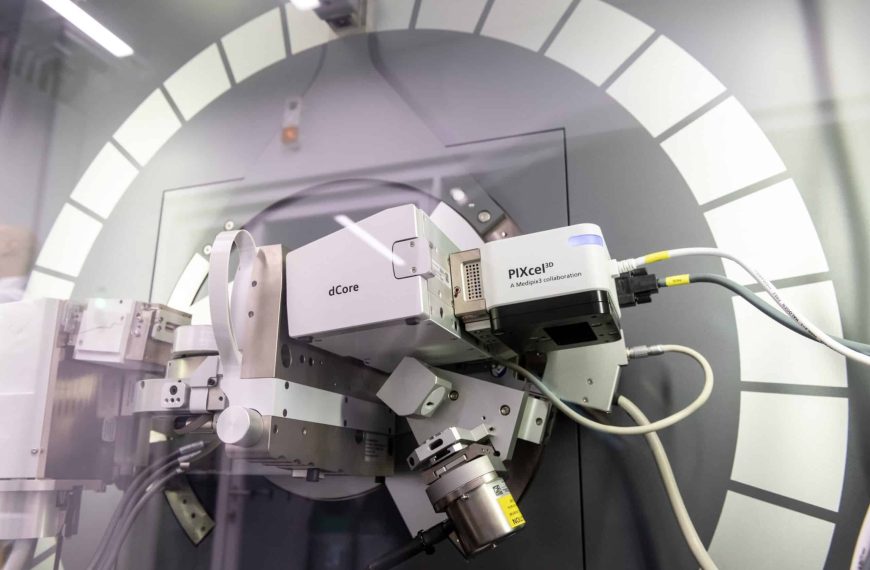
Specification
• 4 kW Cu X-ray source (60 kV/100 mA).
• PIXcel3D detector.
• Flat plate and capillary powder sample holders.
• 3-axis (for thin film samples up to 140 mm in diameter) and 5-axis cradle (for samples up to 80 mm diameter).
• Variable-temperature capability for powders and thin films (93 K – 773 K).
• Standard optics for a variety of techniques easily switchable using MultiCore optics (FWHM ≤ 0.007º (≤ 26”), powder diffraction FWHM as low as 0.026º 2Θ).
• High-resolution beam path using both incident and diffracted beam monochromator available (acceptance of 0.0033º in diffracted beam path).