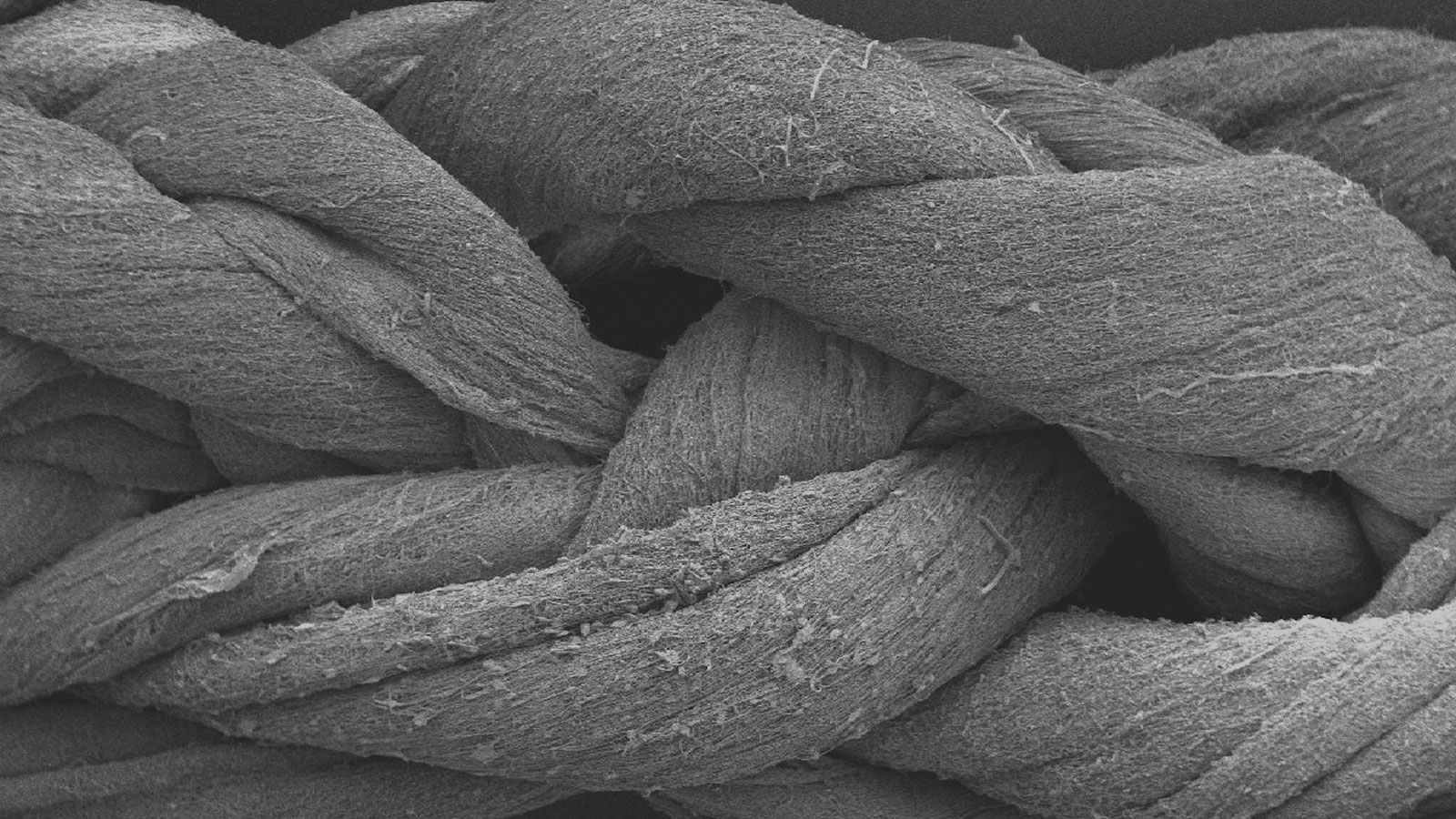


The VAXPatch project aims to provide a new way to deploy vaccines by developing mass-deployable, self-administered, needle-free microblade (microneedle array) patches to deliver DNA vaccines through the skin. The project focuses on creating scalable manufacturing and coating processes that enable these patches to deliver effective vaccines without the need for cold-chain storage or trained healthcare personnel.
Background and context
As seen during the COVID-19 pandemic, rapid development of nucleic-acid vaccines demonstrates great potential to respond quickly to emerging infectious diseases. However, practical challenges of existing vaccine platforms – reliance on cold-chain storage, high manufacturing costs, and the need for administration by healthcare professionals – limits rapid global deployment, particularly in low-resource settings and during large-scale pandemic responses. It is therefore critical to develop vaccine delivery technologies that are stable, scalable, and easy to administer.
DNA vaccines can offer greater stability and longer-lasting immune response compared to other nucleic-acid platforms, but their widespread adoption is hindered by challenges in scalable manufacturing and efficient delivery. Conventional, injection-based delivery systems require specialised equipment and infrastructure, increasing cost and complexity. Overcoming these barriers requires new approaches to simplify vaccine administration whilst maintaining efficacy and safety.
The development of self-administered microblade patches capable of delivering DNA vaccines through the skin addresses these challenges. By incorporating thermally stable, dry vaccine formulations, the need for cold-change storage is eliminated, enabling easier transport and distribution. The technology could also reduce dependence on healthcare professionals by enabling patient-directed administration, accelerating large-scale immunisation campaigns.
Project details and results
Through the Royce Industrial Collaboration Programme, we supported scientists at the University of Nottingham to work with laser engineering company Tannlin to support the development of an alternative way of delivering DNA vaccines.
The team are aiming to develop and optimise a microneedle arrange patch (MAP) platform capable of delivering thermally stable DNA vaccines through a self-administered, needle-free device. This project addressed key technical barriers that limit the large-scale deployment of microneedle vaccine technologies: the reproducible fabrication of microneedle arrays and the efficient loading of vaccines.
In collaboration with Tannlin Ltd, multiple patch designs were produced and evaluated using laser cut stainless steel technology. They were evaluated to optimise parameters such as blade depth, array configuration, and surface characteristics. Dip coating methods were developed to load the vaccine formulations onto the microblades in a controlled and reproducible manner, and analytical and imagine techniques were used to confirm successful coating and compatibility with scalable manufacturing approaches.
The coated patches were tested in ex vivo skin models to demonstrate the ability to deliver the vaccines into skin tissue, assessing penetration, deposition efficiency, and delivery kinetics, and showed efficient intradermal delivery without the need for conventional injections.
Finally, the immunisation potential of the technology was demonstrated using microneedle patches loaded with Zika DNA vaccine, with results showing successful delivery and immunogenicity, therefore demonstrating proof-of-concept.
Overall, the project successfully achieved its aims, validating a scalable microneedle patch manufacturing and coating strategy and establishing a foundation for future development of mass-deployable DNA vaccine delivery systems.
Impact and next steps
The VAXPatch technology has the potential to significantly improve global vaccine accessibility by enabling needle-free, self-administered vaccination. By delivering thermally stable DNA vaccines in a dry format, the platform removes the need for complex cold-chain logistics and reduces reliance on trained healthcare professionals for administration. This approach could support rapid and large-scale vaccination campaigns during pandemics and improve access to vaccines in low-resource or remote settings. The platform could be applied to a range of infectious diseases, helping to strengthen global public health preparedness and resilience.
The project demonstrates a pathway toward scalable manufacturing of microneedle-based vaccine delivery systems, and the collaboration with industry has shown that precision laser-cut steel microneedle arrays can be integrated with vaccine formulations through reproducible coating processes. This creates opportunities for the development of new medical devices and manufacturing processes that could support high-volume production of disposable vaccine patches, stimulating growth in advanced manufacturing, medical device engineering, and biotechnology sectors.
The technology may also offer environmental benefits compared with traditional vaccination approaches: needle-free patches could reduce the need for single-use syringes, sharps disposal systems, and temperature-controlled transport, lowering medical waste and logistical demands associated with vaccine distribution. By simplifying storage and delivery requirements, the platform could contribute to more sustainable healthcare practices while enabling more efficient deployment of vaccines worldwide.
Collaborators
The project was led by the University of Nottingham, bringing together a multidisciplinary team with expertise in vaccine engineering, microneedle technology, and advanced analytical characterisation. Dr James Dixon led the project and contributed expertise in DNA vaccine design, formulation, and biological evaluation of vaccine delivery systems. His group was responsible for developing the DNA vaccine platform, coordinating the overall project, and leading the biological testing of the microneedle patches in cell, tissue, and animal models. Dr Maria Marlow provided specialist expertise in microneedle array (MAP) fabrication and formulation science, contributing to the optimisation of patch design and coating strategies to ensure efficient loading and delivery of the DNA vaccine. Dr David Scurr contributed advanced surface and chemical imaging expertise, using analytical techniques such as ToF-SIMS and OrbiSIMS to characterise vaccine deposition and distribution within the skin following patch application.
The industrial partner, Tannlin Ltd, provided critical expertise in precision laser microfabrication and manufacturing of micro-scale metal components. The company designed and produced the stainless-steel microblade array patches using advanced laser cutting technologies capable of achieving micron-level precision. Tannlin also supported design-for-manufacture optimisation, ensuring that the microneedle arrays were compatible with scalable and potentially high-throughput production processes.
This collaboration combined complementary academic and industrial expertise, enabling rapid development and testing of the microneedle patch technology. The partnership facilitated the exchange of knowledge across vaccine biology, device fabrication, and analytical characterisation, which accelerated experimental progress and strengthened the overall findings. By integrating precision manufacturing with advanced vaccine delivery research, the collaboration helped establish a scalable and practical solution to challenges associated with mass-deployable vaccine technologies.
Collaborators
The VAXPatch project aims to provide a new way to deploy vaccines by developing mass-deployable, self-administered, needle-free microblade (microneedle array) patches to deliver DNA vaccines through the skin. The project focuses on creating scalable manufacturing and coating processes that enable these patches to deliver effective vaccines without the need for cold-chain storage or trained healthcare personnel.
"This project demonstrates how advances in materials engineering and precision manufacturing can transform vaccine delivery. By developing scalable microneedle patch technologies for DNA vaccines, we are moving closer to a future where effective vaccines can be distributed rapidly and administered easily anywhere in the world."
Dr James Dixon
Associate Professor, University of Nottingham