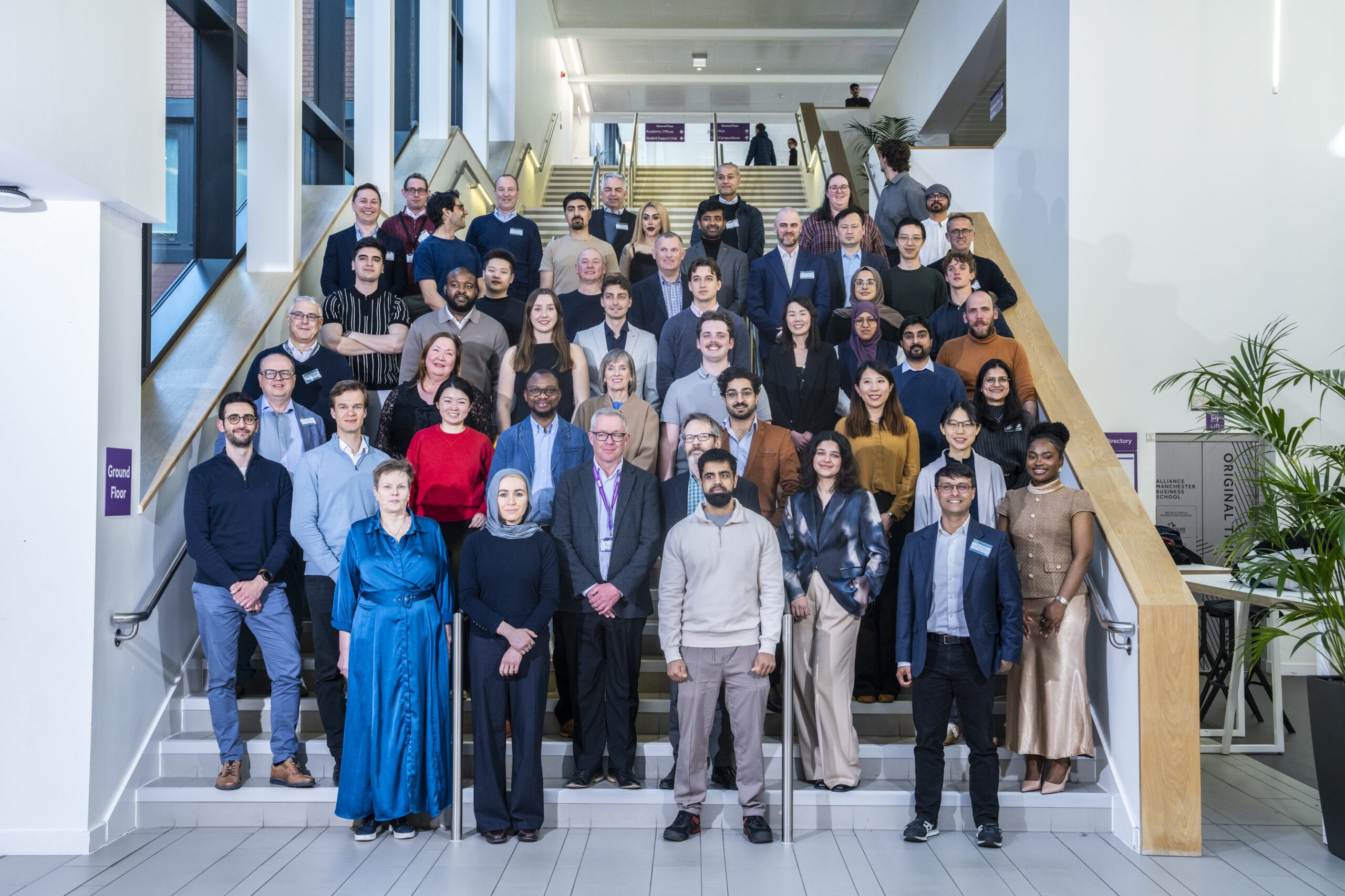


The first cohort of the Royce Catalyst programme convened last month for a showcase Pitch Night – the conclusion to an intensive 12-week commercialisation programme designed to help researchers recognise and communicate the real-world potential of advanced materials technologies.
Held as the finale to the pilot cohort’s programme, Pitch Night saw seven multidisciplinary teams present live commercial feasibility pitches based on materials technologies from founders and technology leaders, demonstrating the skills they had developed in commercial analysis, market assessment and communication.
Royce Catalyst was created to address a long-standing challenge in the advanced materials space; while materials research underpins many future technologies, opportunities for researchers to gain practical sector-specific commercialisation training remain limited. The programme aims to bridge that gap by giving participants hands-on experience in evaluating and communicating the commercial potential of emerging materials innovations.
The pilot cohort gathered 31 learners from 19 UK universities, including seven Royce partner institutions. Participants represented a broad range of research backgrounds and career stages, with women representing 42% of the cohort and nearly a third holding PhDs.
The programme was led by Royce, in partnership with Alliance Manchester Business School and with support from a network of commercialisation experts, entrepreneurs and innovation specialists from across academia and industry.
Pitch Night presentations were judged by a panel including representatives from Marks & Clerk LLP, NatWest Group and the wider innovation and investment ecosystem.
With seven fantastic presentations and glowing feedback from the judges, Catalyst’s inaugural Pitch Night was the perfect celebration for our pilot cohort along with their supervisors and technology founders.
Dr Omid Saghafifar, CEO and Co-founder of Remedium, one of the technology founders working with a learner team, commented:
This programme has been very valuable to us because of its main focus on materials development. Having an opportunity to work with researchers and senior academics who specifically are experts in the materials space has been quite valuable.
Julia Spencer, Acceleration Manager at Manchester Natwest Accelerator and one of the judging panel, said:
It’s been an absolute privilege to come and be a judge for Royce Catalyst. [Pitch Night] has been a real example of where the power of partnership can really show up and add value mutually to different organisations.
Dr Hulaimat Kolawole, a learner from the pilot cohort, commented:
Most of the cohort have come from a technical background; this programme is taking us through that route of lab to market, and the commercialisation of any venture is what we’ve learnt. So, I think it’s very good for any student that’s intending to start a business at some point, or create a start-up, to join the Royce Catalyst programme.
And finally, Royce Enterprise Manager Rebecca Myers said:
Royce Catalyst was devised to help researchers develop the confidence and commercial awareness needed to translate advanced materials research into real-world impact. Throughout the pilot programme, we’ve seen learners grow – not only in their understanding of commercialisation, but also in their ability to communicate complex technologies to wider audiences and identify practical pathways to market.
Pitch Night was a brilliant demonstration of what can happen when talented researchers are given the opportunity to learn by doing. The quality of the teams’ analysis, creativity and ambition has been incredibly encouraging, and we hope this marks the beginning of a stronger awareness of commercial skills across the UK materials community.
Royce Catalyst’s pilot cohort has successfully demonstrated how quickly those capabilities can develop when researchers are given structured commercial training alongside exposure to technologies that solves current materials innovation challenges.
With Cohorts 2 and 3 currently open for applications, the programme aims to build a stronger pipeline of materials researchers able to demonstrate commercial awareness and entrepreneurial skills to progress materials innovation. Find out more here.